Whether you call them business owners or CEOs, the people at the top of a business will often wipe their hands clean of any processes and workflows that a business engages in. This is because the people at the top often have more pressing concerns to think about in terms of the overall management of the business.
For instance, a CEO might be involved in making big decisions for a company, such as settling large deals or working with partners to create new products and open new stores. These kinds of tasks are extremely important and it makes sense for these difficult decisions to be made by leaders in the business.
But that doesn’t mean they should completely ignore the inner workings of the business. This is an area where many entrepreneurs struggle, and we’re going to explain exactly why.
What happens if a leader doesn’t understand their business?
Leaders are responsible for understanding all of the workflows and processes that go on in their business. They don’t need to have a deep technical understanding, but a surface-level understanding is essential for effective leadership and decision-making.
Without a thorough understanding of these processes, leaders can often overlook inefficiencies and bottlenecks that may hinder future operations. This can lead to wasting resources or even decreased overall profits. This eventually leads to poor decision-making skills and a lack of accountability which may reflect poorly on the company.
Why leaders need to get a deeper understanding of their business
For starters, a good business leader needs to have a deep understanding of their business for the purpose of making strategic decisions. For instance, if their staff bring them a predicament involving a specialty part such as a kunkle valve, then it’s hard for a leader to make a decision unless they understand what it’s used for, why it’s important, and what the implications of the decision are.
A deeper understanding can also lead to future innovations. Understanding these processes means that a leader can identify opportunities for growth and to increase efficiency. Recognizing inefficiencies, gaps in workflows, and wasteful processes can all contribute to a more streamlined business operation.
The end result is improved customer satisfaction and increased profits–both of which are ideal outcomes for any leader looking to grow their business.
How to gain more insight into your business as a leader
Engage with employees and understand what they do on a day-to-day basis. Whether it’s building the perfect business website or fixing components, even a surface-level understanding can help you gain more insight.
Communicate with employees and make a genuine effort to encourage open communication. This can help your business foster a sense of transparency and you’ll gain valuable insights on different perspectives in your business.
Review your staff using key performance metrics and operational reports, but don’t forget to track individual progress and identify your own areas for improvement as well.
These are all important strategies to use if you want to gain a deeper understanding of your business’s workflows, and they can ultimately lead to a more productive and profitable business.
We have, for some reason, created this narrative that business owners should not be allowed to ask for help when they need it. This goes for pretty much anyone, and it’s a toxic mindset that we seem to have adopted. Why should a business owner be afraid to get the help that they need, when businesses were not meant to be run by one person anyway? It’s absurd that we think this way, and in this article, we’re going to be taking a look at a couple of examples of when you need to ask for help.
Outsourcing To Professionals
There are going to be things that you do not know how to do, and that is okay. You cannot be expected to know every single thing about running a business, or how to complete all of the elements of a business, but that is why outsourcing exists. If there are tasks in your business that you and your employees cannot handle effectively between you, then you call in the professionals.
These are people who are properly trained in that area and have experience achieving results. For example, a large number of companies outsource their entire IT department simply because they can’t keep up with the needs themselves, and there is nothing wrong with this.
Those Who Simply Have More Experience
It’s also important to acknowledge that there are people out there who know more about certain things that you do. As well as this, sometimes your view of your business can become tainted when you spend too long looking at it, so you miss things. It’s important that in these cases you are looking into the services of business advisors or someone similar to get the help that you need.
Getting these professionals involved is one of the best choices that you are ever going to make. They will be able to point out things that you never would have noticed, assisting you in taking your business to the next level.
A Team Effort
The final thing that we want to say is that a lot of the time running a business is a team effort. You should be able to ask your employees for help when you need it, as that is what they are there for. This is especially true when it comes to some of your higher ups like managers and team leaders, as there will be times where you need their input to help your business move in the right direction. It’s not weak to ask for help, especially from those that you hire to help you.
Hopefully, you have found this article helpful, and now see that there is nothing wrong with asking for help, and that it's completely natural. We understand that it can be hard at times, especially if it’s not something that you are used to, but everyone is going to have to ask for help sooner or later when running a business. If you don’t, you run the risk of running your business into the ground!
Cybercrime is on the rise and no business, big or small, is safe. To avoid major security breaches, your cybersecurity has to be a top priority. If hackers find their way into your business data, your business could make the headlines for all the wrong reasons.
If you want to make sure you’re doing everything you can to keep your business safe, read on. Here are some top tips for the best cybersecurity for your business.
Update Software
Your software should be updated periodically. Leaving it too long could put your business at risk. The benefits of updating your software include the addition of new features that will help you to manage your business well. It also means that any bugs that may have gone unnoticed can be fixed.
Ultimately, the best reason to update software is to ensure cybersecurity. Every software comes with a security update so you can be sure your software security is where it should be.
Outsource Cybersecurity
If IT isn’t your forte, that doesn’t mean your business is doomed. Using outsourced IT services is a great way to ensure your cybersecurity is covered. You won’t need to think about whether your business is at risk from a cyber attack when you have a professional IT package in place.
If you have any concerns, you will have an IT team that you can call on at any time to offer advice and support.
Don’t Open Anything Suspicious
Most people already know that opening suspicious links or emails is dangerous. Just one click and your data could be wide open for anyone to steal. You’ll need to be more vigilant than ever when it comes to suspicious emails if you want a successful business.
Hackers are becoming clever and more elaborate so emails are becoming more convincing. It may not be obvious straight away that an email is suspicious, especially in a business that receives a lot of customer emails. Train employees to spot anything that stands out from the norm.
File Sharing Solution
It’s inevitable that files and documents will need to be shared among employees. This should always be done in a safe way so no information is put at risk. Cloud computing is a great way to store and share documents that are secure.
In addition, there are many other programs you can use to share files that are encrypted rather than taking up your cloud storage.
Anti-Virus
Using the internet is essential for business but that does mean there is always some form of threat. You can never be completely safe when using the internet but there are some measures you can take to keep your data safe. One of those measures is to install antivirus on your computer.
You may also want to think about installing some anti-malware for extra protection. There may be recommendations for the computer or other devices you use so it’s worth researching.
If you’ve found this article helpful, take a look at the others.
Starting a company is often a complicated and stressful time, but it’s something many people get through relatively easily. What often seems more complicated and stress is trying to grow your business. You’ll not only be putting the effort into that, but running your company at the same time.
It’s easy to see why this often gets the better of many entrepreneurs. They often don’t know what to do. Thankfully, that’s not something you need to fall into. By using the right strategies, you should see more and more growth in time.
Three of these strategies are quite practical, and they’ll have more of an impact than you’d think.
Grow Your Business: 3 Practical Strategies To Try
1. Expand Existing Revenue Sources
You’ll already have a few existing revenue sources that fund your current operations. You could think you’ll need to add to these when you’re growing your business. While that’s a natural thought, it’s not always the best path to take. At least, it’s not the only option you should focus on.
Expanding your existing revenue sources can help you fund your business growth and see more long-term success. See what drives sales with your current clients and customers, and aim to improve it. Collect customer feedback to help with this, and actually act on the feedback you get from them.
2. Hire The Right People
The people you have working for you make a significant impact on how your company runs. They’ll also affect whether or not you can actually grow your business. Make sure they’re the right people for your needs, and keep your overall operations in mind when you’re doing any hiring.
The better skilled a potential hire is, the more you should consider hiring them. Don’t just keep skills in mind with this. Consider how they’ll fit into the rest of the team and whether they can work well with them to help accelerate your business growth.
3. Use The Right Software
You’ll already use quite a bit of software to run your business, with this ranging from accounting to HR, among others. It’s always worth making sure you’re using the right software for your needs, like an LMS to help train your employees.
There’ll be plenty of options on offer, so make sure you properly compare them. Keep the pros and cons in mind, especially when it comes to scaling your company. While that could mean making a few changes, there shouldn’t be anything to worry about. It’ll make everything smoother to operate.
Grow Your Business: Wrapping Up
If you want to grow your business, you’ll have to put the time and work into it. You’ll already know that, but it doesn’t mean you’ll have to settle for a lot of stress and complications. Being practical makes sure it goes relatively smoothly.
The right strategies will have more of an impact than you’d think, and there’s no reason not to use them. You should see quite a bit of business growth because of them.
Running a successful business is an incredibly fulfilling endeavor because you've built something from the ground up. If this is your baby and you've seen it grow from strength to strength, naturally, you will reap the benefits in so many different ways, but now there's a growing breed of people who are acquiring franchises. Franchises offer numerous benefits that can be incredibly advantageous for aspiring entrepreneurs but what are these advantages?
A Proven Business Model
Franchises are built on systems that have been proven already, which can take a lot of the guesswork out of the equation. There are plenty of franchises that come with more than their fair share of support. From franchise Google Ads services to help marketing, as well as other aspects of the blueprints that have been tried and tested, which can increase the likelihood of a successful business venture. This means many entrepreneurs can breathe a sigh of relief because there's a lot less risk involved.
Brand Recognition
Owning a franchise means having immediate access to a brand. A franchise business comes with an existing customer base and therefore brand awareness, which makes it easier to attract customers and generate profits quickly, which, in comparison to starting a new business from scratch, can certainly make things far more straightforward.
Lower Risk
We've already talked about the likelihood of risk in a franchise. Because there are so many different established systems in place from the proven track record of success to the support of the franchisees themselves, means there's a lot more that you can achieve. So many franchises come with first-rate customer support, and this is something that an entrepreneur who is building a business from the ground up has no access to. Business owners who are out at sea will need to find a mentor and spend a lot of time dealing with the ups and downs and ultimately learn how to find the best possible way out of a situation. While franchises can make things far more straightforward in this respect, there is something to be said for everybody learning the hard way, but of course, with any franchise business, there is no guarantee of success because of the nature of running a business in any way. However, because there is a proven blueprint, there's a lot less concern.
Easier Access to Financial Support
Franchises have higher success rates and are built on proven business models, which means they can be a more financially viable investment for aspiring entrepreneurs. Because banks are more willing to provide funds, this can make the process of getting that all-important capital far simpler.
Flexibility
Any entrepreneur has the opportunity to work how they want, but a franchise owner has the ability to choose their working hours so they can balance their work with any personal commitments. It's a very little thing, however, when we're all trying to figure out how to get the balance right, having the opportunity to choose when you work can take the stress out of the situation, meaning that you will be a far more effective entrepreneur in the long run!
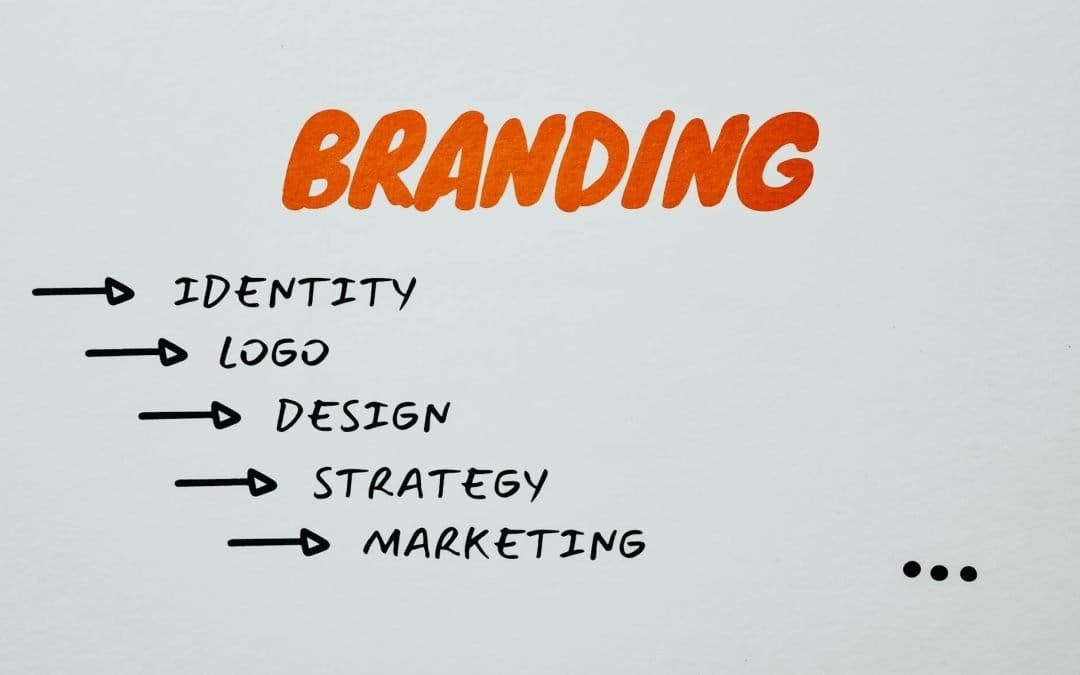
The term “brand” is used a lot when it comes to talking about business strategy, marketing and online presences, but what does it actually encompass? When you’re just starting a new business, or hoping to uplevel your current company, it’s important to know about what branding elements you need to create a recognizable and distinguishable brand. Many believe that branding is only about logos and color schemes, but there is so much more that goes into a brand strategy than you might think. As a business, branding is important because it depicts what your audience thinks of your products, services and overall ethos. The good news is that branding can be enhanced and improved over time, and you don’t need to stick with your original brand strategy from years and years ago.
So, if your business is in need of a branding overhaul, here are the seven fundamental areas you may want to explore so that you can grow a thriving business with a strong brand.
Brand Name
The name of your business is the very heart of your brand, and will be the unique entity which sets your company apart from the rest. It can take time to decide on the ideal brand name for your business, especially if you’re looking for something creative and relatable to your target audience. Your company brand and trade name may be slightly different, so it’s worth researching trade name vs brand name if you’re unsure of the differences. All in all, finding the right brand name for your business will always give you the upper hand when it comes to first impressions and sales.
Brand Colors
At first glance your brand colors will indicate what kind of business you’re running. Bright and bold tones may imply that your business is fun and friendly. Whereas, deeper and darker shades such as green and blue hint towards a more professional brand ethos. Picking your colors can be a hard task, so consider what your target audience would relate to the most.
Brand Fonts
Choosing your brand fonts can be hard to pinpoint, but with the help of a graphic designer, you’ll soon be able to choose two to three signature fonts that are user friendly and on brand for your company.
Imagery
The types of imagery you use for your brand should be carefully curated and considered before you use them on your website or social media. You want to create a cohesive impression that shows your audience what your brand is all about. From whimsical imagery to clear product photos, there are so many different directs you can go with your brand imagery.
Logo
Your brand logo is probably one the first things you work on when you’re developing a business idea. It should be simple, clear and uncomplicated so that your customers can instantly recognize what you do. Designing a brand logo with a professional ensures that your final product has a polished finish to it and you make a great first impression. Your brand logo should encompass your brand name, colors and fonts in a seamless fashion.
Packaging
Having branded packaging is a must if you’re hoping to create a professional brand image for your company. If you’re selling products or sending out PR packages this branding is a vital part of your marketing campaign and word of mouth sales.
Language and Copy
Creating a distinctive brand voice for your business is incredibly important as it will set you apart from other similar competitors in your space. The language, tone of voice and copy you use in your email communications, social media captions and website will portray your brand ethos and build a rapport with your customers. Creating that instant connection and trust level with your target demographic is only possible through copywriting techniques and isn’t all about the imagery, logo or colors in this case.
Some of the branding elements mentioned above may have come as a surprise to you, and need some extra care and attention in your long term strategy. All in all, it is very easy to create a brand that encompasses all of these seven vital elements as long as you take time to do your research and hone in on what your target audience really relates to. In many cases, you may find that your current brand strategy hits all of the key areas effectively so there is minimal work to be done. Carrying out a regular audit of your branding will help to keep your business modern, fresh and appealing to your customers.
We use cookies to improve your experience on our site. By using our site, you consent to cookies.
Cookie Preferences
Manage your cookie preferences below:
Essential cookies enable basic functions and are necessary for the proper function of the website.
Name
Description
Duration
Cookie Preferences
This cookie is used to store the user's cookie consent preferences.
30 days
These cookies are needed for adding comments on this website.
Name
Description
Duration
comment_author
Used to track the user across multiple sessions.
Session
comment_author_email
Used to track the user across multiple sessions.
Session
comment_author_url
Used to track the user across multiple sessions.
Session
Google reCAPTCHA helps protect websites from spam and abuse by verifying user interactions through challenges.
Name
Description
Duration
_GRECAPTCHA
Google reCAPTCHA sets a necessary cookie (_GRECAPTCHA) when executed for the purpose of providing its risk analysis.
179 days
Google Tag Manager simplifies the management of marketing tags on your website without code changes.
Name
Description
Duration
cookiePreferences
Registers cookie preferences of a user
2 years
td
Registers statistical data on users' behaviour on the website. Used for internal analytics by the website operator.
session
Statistics cookies collect information anonymously. This information helps us understand how visitors use our website.
Jetpack's built-in visitor analytics. It records page views, referring sites, search terms, and outbound link clicks, and also carries the shared visitor-tracking library used by Jetpack Instant Search and WooCommerce Analytics.