Running a successful business is an incredibly fulfilling endeavor because you've built something from the ground up. If this is your baby and you've seen it grow from strength to strength, naturally, you will reap the benefits in so many different ways, but now there's a growing breed of people who are acquiring franchises. Franchises offer numerous benefits that can be incredibly advantageous for aspiring entrepreneurs but what are these advantages?
A Proven Business Model
Franchises are built on systems that have been proven already, which can take a lot of the guesswork out of the equation. There are plenty of franchises that come with more than their fair share of support. From franchise Google Ads services to help marketing, as well as other aspects of the blueprints that have been tried and tested, which can increase the likelihood of a successful business venture. This means many entrepreneurs can breathe a sigh of relief because there's a lot less risk involved.
Brand Recognition
Owning a franchise means having immediate access to a brand. A franchise business comes with an existing customer base and therefore brand awareness, which makes it easier to attract customers and generate profits quickly, which, in comparison to starting a new business from scratch, can certainly make things far more straightforward.
Lower Risk
We've already talked about the likelihood of risk in a franchise. Because there are so many different established systems in place from the proven track record of success to the support of the franchisees themselves, means there's a lot more that you can achieve. So many franchises come with first-rate customer support, and this is something that an entrepreneur who is building a business from the ground up has no access to. Business owners who are out at sea will need to find a mentor and spend a lot of time dealing with the ups and downs and ultimately learn how to find the best possible way out of a situation. While franchises can make things far more straightforward in this respect, there is something to be said for everybody learning the hard way, but of course, with any franchise business, there is no guarantee of success because of the nature of running a business in any way. However, because there is a proven blueprint, there's a lot less concern.
Easier Access to Financial Support
Franchises have higher success rates and are built on proven business models, which means they can be a more financially viable investment for aspiring entrepreneurs. Because banks are more willing to provide funds, this can make the process of getting that all-important capital far simpler.
Flexibility
Any entrepreneur has the opportunity to work how they want, but a franchise owner has the ability to choose their working hours so they can balance their work with any personal commitments. It's a very little thing, however, when we're all trying to figure out how to get the balance right, having the opportunity to choose when you work can take the stress out of the situation, meaning that you will be a far more effective entrepreneur in the long run!
Many of us want to own a successful business, but before we can thrive in the commercial field there are some very specific skills we will need to develop. Read on to find out what they are.
Leadership
First of all, if you want to run a successful business you will need to have great leadership skills. After all, at some point, you’re going to need to lead your employees. However, good leadership is often not what people think it is. Remember leadership and respect are things that are earned and not just freely given.
To that end, you need to be able to show people that you are worthy of their respect. This often begins with you showing that you respect them and that you can make the hard decisions and follow through with them. Leaders also lead from the front and eat last which means you’ll need to model the behaviors that you want to see and make sure your team sees the rewards for their hard work before you do.
Strategic thinking
Another crucial set of skills you will need if you are to run a successful business is strategic thinking. Strategic thinking encompasses a wide range of skills including problem-solving, to be able to goal set and evaluating, as well as being adaptable and being able to take calculated risks.
The reason strategic thinking skills are so crucial for business success is that they allow you to think about and plan for the future, as well as deal with the complex and multifaceted problems that arise in business situations. By being able to strategically deal with such issues you will vastly increase your business’s chance of success.
Communication
Good communication is crucial to any business that wishes to thrive. Indeed, there are all sorts and levels of communication that a business leader must be good at for the success of their company.
For example, being able to communicate with your employees constructively is vital. This often means practicing things like active listening and being very clear with instructions and deadlines.
Then there is communicating with stakeholders, and investors. This often takes another type of communication. One where the business leader is on more of a level and talks to such people like peers, but can also clearly get across the message they are looking to communicate.
Financial management
Being able to manage money well is most definitely a skill and it's one you will need to master if you want to run a successful business. After all, most businesses' success comes down to whether they are profitable or not, and poor money management will only ever hinder your progress in this area.
The good news is that even if money management doesn’t come naturally to you, it is a skill you can learn with the right education and training. It also makes a lot of sense to delegate this task to an expert in this area, meaning you can be sure the job is being done right, while you at the same time get to focus on the skills you do best for the success of your business.
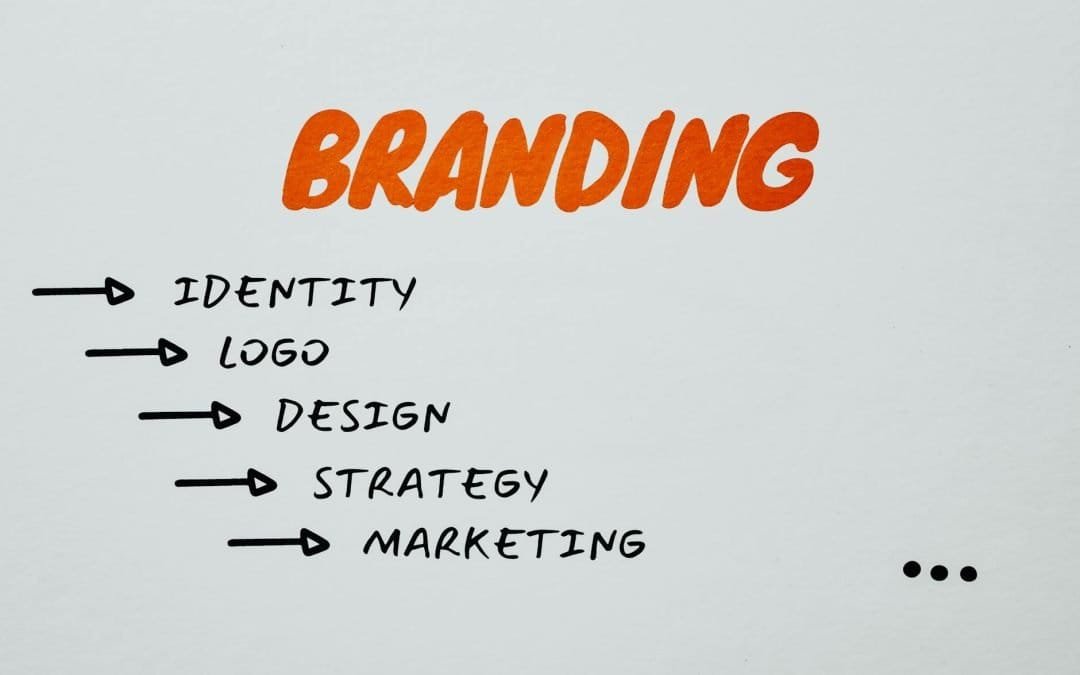
The term “brand” is used a lot when it comes to talking about business strategy, marketing and online presences, but what does it actually encompass? When you’re just starting a new business, or hoping to uplevel your current company, it’s important to know about what branding elements you need to create a recognizable and distinguishable brand. Many believe that branding is only about logos and color schemes, but there is so much more that goes into a brand strategy than you might think. As a business, branding is important because it depicts what your audience thinks of your products, services and overall ethos. The good news is that branding can be enhanced and improved over time, and you don’t need to stick with your original brand strategy from years and years ago.
So, if your business is in need of a branding overhaul, here are the seven fundamental areas you may want to explore so that you can grow a thriving business with a strong brand.
Brand Name
The name of your business is the very heart of your brand, and will be the unique entity which sets your company apart from the rest. It can take time to decide on the ideal brand name for your business, especially if you’re looking for something creative and relatable to your target audience. Your company brand and trade name may be slightly different, so it’s worth researching trade name vs brand name if you’re unsure of the differences. All in all, finding the right brand name for your business will always give you the upper hand when it comes to first impressions and sales.
Brand Colors
At first glance your brand colors will indicate what kind of business you’re running. Bright and bold tones may imply that your business is fun and friendly. Whereas, deeper and darker shades such as green and blue hint towards a more professional brand ethos. Picking your colors can be a hard task, so consider what your target audience would relate to the most.
Brand Fonts
Choosing your brand fonts can be hard to pinpoint, but with the help of a graphic designer, you’ll soon be able to choose two to three signature fonts that are user friendly and on brand for your company.
Imagery
The types of imagery you use for your brand should be carefully curated and considered before you use them on your website or social media. You want to create a cohesive impression that shows your audience what your brand is all about. From whimsical imagery to clear product photos, there are so many different directs you can go with your brand imagery.
Logo
Your brand logo is probably one the first things you work on when you’re developing a business idea. It should be simple, clear and uncomplicated so that your customers can instantly recognize what you do. Designing a brand logo with a professional ensures that your final product has a polished finish to it and you make a great first impression. Your brand logo should encompass your brand name, colors and fonts in a seamless fashion.
Packaging
Having branded packaging is a must if you’re hoping to create a professional brand image for your company. If you’re selling products or sending out PR packages this branding is a vital part of your marketing campaign and word of mouth sales.
Language and Copy
Creating a distinctive brand voice for your business is incredibly important as it will set you apart from other similar competitors in your space. The language, tone of voice and copy you use in your email communications, social media captions and website will portray your brand ethos and build a rapport with your customers. Creating that instant connection and trust level with your target demographic is only possible through copywriting techniques and isn’t all about the imagery, logo or colors in this case.
Some of the branding elements mentioned above may have come as a surprise to you, and need some extra care and attention in your long term strategy. All in all, it is very easy to create a brand that encompasses all of these seven vital elements as long as you take time to do your research and hone in on what your target audience really relates to. In many cases, you may find that your current brand strategy hits all of the key areas effectively so there is minimal work to be done. Carrying out a regular audit of your branding will help to keep your business modern, fresh and appealing to your customers.
Gone are the days when printed flyers and posters were sufficient to get the attention of potential clients or customers. Nowadays, a strong social media presence is practically a lifesaver for your business, as millions of people log into their social media accounts every single day. Fortunately, platforms like Instagram, Facebook, Twitter, and Instagram allow enterprises to connect with a global market, use digital tools for advertisement, and interact with consumers. It is important to note that your company will not automatically pull in your target market by simply creating an account. You will need to improve your social media skills and marketing. Here are three tips that will aid in building a better presence on social media platforms.
Understanding your audience is not just a key; it's a powerful tool to wield for a successful social media presence. Merely putting your content out there and hoping for the best is not a smart strategy. By identifying your target market and creating content that resonates with them, you can save time, get results, and avoid wasting money on unnecessary campaigns. Paying close attention to their preferences and behaviors is the first step toward building a better social media presence. Who follows you and engages or shares your content? Look for the common characteristics they share. It could be age, location, or interests. Certain social media platforms provide this information when you have a business account. Consider keeping up with social conversations so you can figure out their desire and pain points. You can also listen to what they are saying about your brand so you can serve them better.
Promote your account
New business accounts pop up daily. To get noticed, you will need to be proactive by sharing your account with potential clients and promoting it on your other platforms. For instance, you can cross-post your IG content to other platforms like Facebook for quick and efficient advertising. Whether you are a big or small business, hashtags in your industry are extremely important. They can be used to encourage your audience to share or promote your posts, and they make your content searchable by tag-followers, which enhances your reach. If you are posting a collaboration with another brand or putting up a video of a happy customer, remember to tag them so their followers can notice you. While these tactics may seem simple, adding social media management to your tasks can be stressful. If this is your dilemma, consider visiting sites like https://tessa.tech/virginia-seo/virginia-seo-services/ to connect with credible SEO specialists.
Content is everything in the social media space. The feeds are filled with creative content every minute, and it is crucial to focus on eye-catching visual content so you can grab the attention of your audience. Ditch the stock photos and opt for powerful images your market can connect with. Double down on client photos and personalize your company by taking your followers behind the scenes. Have fun with the latest trends by incorporating them into your product or service videos.
Social media has become a potent marketing tool that has helped many companies launch and make huge profits. With these tips, you can also increase your presence and help your business succeed.
The landscape of business growth is witnessing a monumental shift fueled by the advent of artificial intelligence (AI). This cutting-edge technology is not just an add-on but a game changer, redefining the paradigms of how businesses connect with potential customers.
As we delve into this transformative era, it's clear that AI is not just enhancing lead generation—it's completely reinventing it.
This blog post will explore the multifaceted ways in which AI is empowering businesses to supercharge their lead generation processes, ensuring they're not just keeping pace but setting the pace in their respective industries.
AI: The New Frontier in Customer Acquisition
In the digital age, the first touchpoint between a business and a potential customer is often virtual. AI stands at this frontier, acting as the ultimate matchmaker between businesses and their future clients.
By leveraging complex algorithms and machine learning, AI sifts through data to uncover hidden patterns, predict behaviors, and identify prospects with unparalleled accuracy.
This isn't just lead generation; it's lead generation with a crystal ball, offering insights that are proactive rather than reactive.
AI Lead Generation: Your Digital Pathfinder
Integrating AI into your lead generation toolkit is like setting out on a voyage with a digital pathfinder. It navigates the vast and tumultuous seas of data to find your ideal customers.
AI Marketing uses advanced analytics to predict who is most likely to engage with your brand.
This precision targeting means your marketing efforts are not scattered but sharply focused, ensuring every dollar spent is a dollar invested in a potential future customer.
Crafting Personalized Journeys with AI
The era of generic marketing is over. Today, personalization is the key to unlocking customer engagement, and AI is the master key.
AI-driven platforms analyze individual customer data in real time, tailoring marketing messages and offers to meet unique preferences and needs.
This isn't just personalization; it's hyper-personalization at scale, transforming every customer interaction into a bespoke experience that resonates deeply and drives conversion.
AI-Powered Insights for Strategic Nurturing
Nurturing leads is an art, and AI equips businesses with an extensive palette of tools to master it. Through predictive analytics and behavioral data, AI helps businesses understand not just who their leads are, but what they need and when they need it.
This strategic nurturing guided by AI ensures that potential customers are engaged with the right message at the right time, significantly increasing the likelihood of conversion.
The Efficiency Engine: AI in Lead Scoring
Efficiency in lead generation is not just about doing things right; it's about doing the right things. AI revolutionizes lead scoring by dynamically evaluating and ranking leads based on their conversion potential.
This real-time prioritization allows businesses to allocate their resources more effectively, focusing their efforts on leads that are most likely to bear fruit.
With AI, lead scoring becomes a dynamic and continuous process, ensuring that your sales team is always focused on the most promising opportunities.
Conversational AI: Engaging Leads at Scale
In the digital marketplace, responsiveness can make or break a potential sale. AI-driven conversational agents, such as chatbots, are redefining customer interactions by providing immediate, personalized, and contextually relevant responses.
These AI assistants are available 24/7, ensuring that every query is answered and every lead is engaged, significantly enhancing the customer experience and increasing the chances of conversion.
Conclusion
As we stand on the brink of a new era in lead generation, it's clear that AI is not just a tool but a transformative force. By harnessing the power of AI, businesses can not only improve their lead-generation processes but also redefine the very essence of customer engagement.
The future of lead generation is intelligent, personalized, and efficient, powered by AI technologies that are continually evolving to meet the dynamic needs of businesses and consumers alike.
In this rapidly changing landscape, those who embrace AI will find themselves at the forefront, leading the charge in the exciting world of digital marketing.
We use cookies to improve your experience on our site. By using our site, you consent to cookies.
Cookie Preferences
Manage your cookie preferences below:
Essential cookies enable basic functions and are necessary for the proper function of the website.
Name
Description
Duration
Cookie Preferences
This cookie is used to store the user's cookie consent preferences.
30 days
These cookies are needed for adding comments on this website.
Name
Description
Duration
comment_author
Used to track the user across multiple sessions.
Session
comment_author_email
Used to track the user across multiple sessions.
Session
comment_author_url
Used to track the user across multiple sessions.
Session
Google reCAPTCHA helps protect websites from spam and abuse by verifying user interactions through challenges.
Name
Description
Duration
_GRECAPTCHA
Google reCAPTCHA sets a necessary cookie (_GRECAPTCHA) when executed for the purpose of providing its risk analysis.
179 days
Google Tag Manager simplifies the management of marketing tags on your website without code changes.
Name
Description
Duration
cookiePreferences
Registers cookie preferences of a user
2 years
td
Registers statistical data on users' behaviour on the website. Used for internal analytics by the website operator.
session
Statistics cookies collect information anonymously. This information helps us understand how visitors use our website.
Jetpack's built-in visitor analytics. It records page views, referring sites, search terms, and outbound link clicks, and also carries the shared visitor-tracking library used by Jetpack Instant Search and WooCommerce Analytics.